Main Content
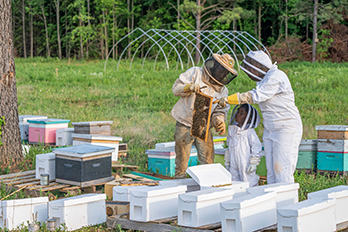
Rutgers Home Gardeners School provides expert instruction in a variety of classic and innovative gardening and landscaping subjects for beginner and advanced gardeners!

Jump to: Register | Course Details | Overview | Agenda | Workshops | Instructor | Reviews | Policies | Contact Us | Related Courses | Join Email List
Register Now
Pay with Credit Card:
Pay with Check or Money Order:
Course Details
Course Name: Home Gardeners School
Course Code: AH0201HA27
Date: March 13, 2027
Time: 9:00 am – 4:00 pm (Check in will begin at 8:00 am in front of Hickman Hall.)
Location: Hickman Hall, 89 George St., New Brunswick, NJ (Directions & Map).
Parking: Parking will be made available in a few locations near the building. You will be required to register your vehicle with Rutgers Dept. of Transportion (RU-DoTS). Parking information and vehicle registration instructions will be provided via email closer to the event date.
Format: Live, Instructor-led
Registration Fee: $155 per person (applies February 15 to March 12, 2027)
Walk-in Fee: $175 per person (applies on March 13, 2027 only)
Early Bird Discount Fee: $145 per person (expires February 14, 2027)
Master Gardeners Fee: $135 per person (expires February 14, 2027; must submit MG certificate via email to registration@njaes.rutgers.edu or via mail to Rutgers OCPE – Registration, 102 Ryders Ln, New Brunswick, NJ 08901)
Optional Fees
Boxed Lunch: $20 per person
Hands-on Workshop #17 (Crafting Kokedamas): $30 per person
Hands-on Workshop #25 (Flower Arranging): $60 per person
Registration Closes: March 8, 2027
Paying with a check, money order, or purchase order?
Payments should be made out to: Rutgers, The State University of New Jersey
Checks and money orders should be mailed to: Office of Continuing Professional Education, Attn: Registration Dept., 102 Ryders Ln, New Brunswick, NJ 08901-8519
Purchase Orders can be mailed to the address above or electronically sent to registration@njaes.rutgers.edu.
About Home Gardeners School (HGS)
Whether you’re just starting out or have years of gardening experience, our programs offer expert instruction in both classic and innovative gardening and landscaping techniques. From hands-on workshops to in-depth presentations, you’ll gain practical skills, new ideas, and inspiration to create and maintain beautiful, sustainable gardens. Join a community of passionate gardeners and grow your knowledge, creativity, and confidence in every season!
Hands-on Workshops
Get ready to roll up your sleeves! Our hands-on workshops provide a practical, interactive experience where you can learn by doing. Each session is designed to give you the skills and confidence to apply what you learn immediately.
What to Expect:
- Clear, step-by-step instruction in a small group setting.
- Workshops with a maximum of 25 participants to ensure plenty of personal attention.
- These sessions include an additional materials fee.
- All hands-on workshops take place in Room 119, equipped with spacious tables and seating for a comfortable, productive experience.
Grow With Us!
Sponsoring Home Gardeners School is a meaningful way to support horticultural education and sustainable gardening in our region. Your partnership helps us offer enriching workshops, expert presentations, and community connections that keep the spirit of gardening thriving.
Agenda
| 8:00 am – 9:00 am | Registration |
| 9:00 am – 10:15 am | Workshop Session 1 |
| 10:30 am – 11:45 am | Workshop Session 2 |
| 12:00 pm – 1:00 pm | Lunch |
| 1:15 pm – 2:30 pm | Workshop Session 3 |
| 2:45 pm – 4:00 pm | Workshop Session 4 |
Workshop Choices
Click here to download a printable workshop schedule for HGS 2027
Review the workshop descriptions below to identify your top choices for each session. You will make your workshop selections in our online registration portal or when speaking to our registrars.
Session 1: 9:00am – 10:15am
Workshop 1: Start Your Organic Vegetable Garden
Virginia Lamb, Educator/Consultant, Groundwork Education and Consulting (Contact Info)
Have you always wanted to grow vegetables but never gotten around to it? A vegetable garden is within reach–all you need is access to a sunny place to plant! In this session you will learn simple ways to start and maintain your vegetable garden, with an emphasis on organic and sustainable methods. You’ll be eating your own produce by May!
Workshop 2: Cover Crops for the Home Garden
Kate Brown, Agriculture & Natural Resources County Agent II, Rutgers Cooperative Extension of Somerset County (Contact Info | Bio)
Cover crops offer many benefits to the home garden including preservation and improvement of soil health, weed and disease suppression, addition and retention of nutrients, and providing forage and habitat for beneficial insects. This presentation will introduce participants to the best practices for selection, establishment, and management of cover crops in the home garden to maximize the benefits and avoid common pitfalls.
Workshop 3: Composting for the Urban Gardener
Claudia Urdanivia, Agriculture & Natural Resources County Agent III, Rutgers Cooperative Extension of Essex County (Bio)
This workshop will focus on best practices for composting in urban communities. We will focus on passive and active compost methods and discuss which bins are appropriate for small spaces.
Workshop 4: Cultivar Selection in the Home Vegetable Garden
David Hlubik, Agricultural and Resource Management Agent, Rutgers Cooperative Extension, Middlesex County (Bio)
Choosing the right vegetable cultivars can make a significant difference in the success of your home garden. This informative session will explore key factors to consider when selecting vegetables, including disease resistance and tolerance, days to maturity, hybrid versus heirloom varieties, and other important plant characteristics. Participants will also learn about recommended cultivars for a variety of common garden vegetables and how to match selections to their gardening goals, growing conditions, and harvest expectations. Whether you are a new gardener or an experienced grower, this presentation will help you make informed decisions for a healthier, more productive garden.
Workshop 5: An Essential Guide to Creating a Native Perennial Garden
Irene Wanat, Gardening Consultant, Master Gardener (Bio)
Native plants form the foundation of a healthy ecosystem. Learn which native varieties will thrive in your local climate and soil type to create a sustainable, water-saving garden. Discover the rich diversity of “non-weedy” native plants that nourish our native pollinators while providing color and interest from early spring through fall.
Workshop 6: Home Landscape Mulch: Benefits & Detriments
Steven Rettke, Agriculture & Natural Resources Program Associate I (Contact Info / Bio)
Landscape mulch can be “worth its weight in gold,” but is it necessary to know how to apply it properly for it to pay off. Mulching can be one of the best or worst things that is done to landscape plants. This presentation will discuss the benefits of mulching plants, but also some of the detriments it causes when done improperly. Some common nuisance fungi problems that occur with poor mulching practices will be reviewed. Finally, a 3-year University research study using many different types of options will be evaluated.
Workshop 7: Basic Plant Biology for Home Gardeners
Raul Cabrera, Extension Specialist (Contact Info & Bio)
Healthy gardens start with understanding how plants work. This workshop explores the basics of plant biology and explains how this knowledge can improve the care, maintenance, and long-term health of your garden and landscape plants, shrubs, and trees.
Workshop 8: Gardening in Small Spaces
Kirsten Soriano, Designer/Horticulturist, Environmental Landscape Design (Contact Info & Bio)
Think small spaces can’t make a big impact? Think again! Discover how to transform patios, balconies, courtyards, and compact yards into beautiful, productive gardens. This class will explore container gardening, creative design strategies, plant selection, and space-saving techniques to help you maximize every square foot. Whether you’re working with a tiny backyard or a small urban space, you’ll leave with practical ideas and inspiration to create a garden that is both functional and fabulous.
Session 2: 10:30am – 11:45am
Workshop 9: Harvesting and Preserving Your Herbs
Caren White, The Herb Lady (Bio)
Timing and technique are the keys to maximizing the harvest from your herb garden. Learn about the best times and the best methods to harvest leaves, flowers, seeds and roots and how to preserve them for future use.
Workshop 10: Growing Intensively in Your Raised Bed Gardens
Claudia Urdanivia, Agriculture & Natural Resources County Agent III, Rutgers Cooperative Extension of Essex County (Contact Info / Bio)
Raised beds have many benefits and are great for beginners and seasoned gardeners alike. Learn to make the most of your raised garden bed by growing intensively and using best practices such as succession planting.
Workshop 11: Top Drought-Tolerant Plants for a Resilient Garden
Irene Wanat, Gardening Consultant, Master Gardener (Bio)
A drought-tolerant garden does not have to be a barren landscape. Learn how to make smart plant choices for a vibrant, low-maintenance garden that thrives with minimal water, whether in full sun or in shady conditions. Discover a rich diversity of tough, resilient plants that provide beautiful color and interest from early spring through fall.
Workshop 12: The Dirt on Great Garden Soil 1: The Science Beneath the Surface
Karen Plumley, Instructor, NJ Agricultural Experiment Station (Contact Info & Bio)
The ‘foundation’ of a great garden is the soil. While most people would never dream of building a house on a flimsy foundation, many people put in extraordinary effort to plant gardens on foundations that can’t support them. Learn about basic soil science principles and why soil ‘ain’t just dirt,’ so you can begin building the garden of your dreams.
Workshop 13: Pawpaws and Hazelnuts in the Home Garden
David Hlubik, Agricultural and Resource Management Agent, Rutgers Cooperative Extension, Middlesex County (Bio)
Discover the potential of two unique, low-maintenance perennial crops for the home landscape: pawpaws and hazelnuts. This workshop will explore how to successfully grow these native edible plants, covering cultivar selection, site requirements, planting considerations, ongoing care, fertility needs, and common pest and disease issues. Participants will learn how these productive, wildlife-friendly plants can provide years of harvests while supporting a more sustainable and resilient home garden.
Workshop 14: Backyard Composting: Create your Own Garden Magic
Virginia Lamb, Educator/Consultant, Groundwork Education and Consulting (Contact Info)
Did you know you have the secret to a great garden right at your fingertips? Backyard composting is a simple and effective way to reduce waste and greenhouse gases while creating a valuable soil amendment for your garden! Attend this workshop and learn what you can and can’t compost, tips for creating compost quickly, how to make compost tea and how to compost using worms, as well as uses for finished compost, referred to as “black gold” by seasoned gardeners.
Workshop 15: Good Irrigation and Fertilization Practices for Urban Gardens and Landscapes
Raul Cabrera, Extension Specialist (Contact Info & Bio)
Learn how to meet the watering and fertilization needs of plants in home gardens and residential landscapes. This presentation covers essential irrigation and nutrient management principles, along with practical tips and best practices for maintaining healthy vegetable gardens and landscapes.
Workshop 16: Pots with Purpose: Designing Eye-Catching Container Gardens
Kirsten Soriano, Designer/Horticulturist, Environmental Landscape Design (Contact Info & Bio)
Discover the art of container garden design. This workshop will explore plant selection, color combinations, textures, and design techniques to help you create eye-catching containers that provide beauty and interest throughout the growing season.
Lunch Break: 11:45am – 1:15pm
12:00pm – 1:00pm OPTIONAL Lunch and Learn: How Climate Change Affects Gardening in the Garden State
*Seating is first come, first served. No registration for this session.
James Shope, Assistant Extension Specialist, Rutgers Department of Environmental Sciences (Contact Info)
New Jersey’s climate is changing, bringing warmer temperatures, shifting precipitation patterns, and more frequent extreme weather events that can impact home landscapes and gardens. In this informative presentation, Dr. James Shope will explore the science behind climate change, discuss projected climate trends for New Jersey, and examine their effects on gardening and horticulture. Participants will learn practical strategies for adapting their gardening practices, selecting resilient plants, and creating sustainable landscapes that can thrive in a changing environment.
Session 3: 1:15pm – 2:30pm
Workshop 17: Hands-on Workshop: Crafting Kokedamas: A Practice in Therapeutic Horticulture ($30 additional fee)
Gary Altman, Teaching Instructor, Rutgers Department of Plant Biology (Contact Info & Bio)

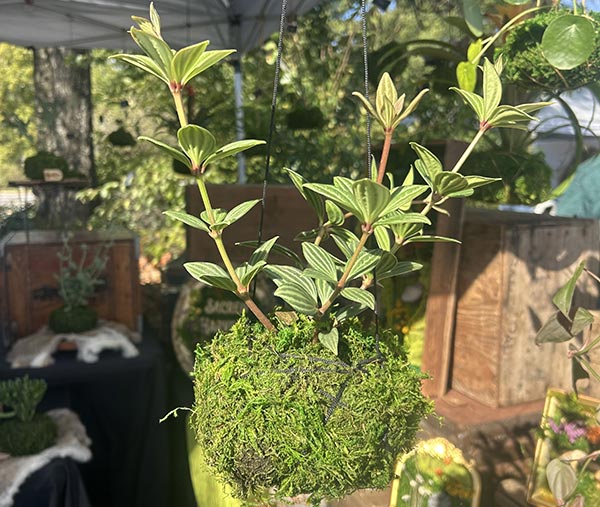
Create your own kokedama, a traditional Japanese moss-covered plant arrangement, while exploring the benefits of therapeutic horticulture. In this hands-on workshop, participants will learn the art of kokedama construction, including plant selection, assembly, and care. Along the way, discover how working with plants can promote mindfulness, reduce stress, and enhance overall well-being. Leave with a unique living sculpture and the knowledge to enjoy it for years to come.
$30 additional fee applies.
Workshop 18: Shade Gardening: Mastering the Shadows
Dylan Shapiro, Superintendent of Horticulture, Morris County Park Commission (Bio)
Let’s face it, not everyone has a perfect eight hours of full sun in their whole yard. Most of us have either a few shady beds or sometimes an entire yard of deep shade. Growing a beautiful and floriferous garden in the shade seems like an intimidating task but the opposite is true, once you know just how many options are available for shade! Learning how to feature foliage and create contrast, select plants, amend soils for woodland loving species, and use bulbs and tender plants to enhance areas with less light will all be covered. Learn tips and tricks from the world of public horticulture to enhance the overall design of your garden!
Workshop 19: How to Use Integrated Pest Management in Your Home Garden
Janine Spies, Agriculture & Natural Resources County Agent III, Statewide Program Leader in Fruit IPM (Contact Info / Bio)
IPM uses a combination of pest control strategies to manage arthropod pests, plant diseases, and weeds safely and sustainably. In this session, you will learn the principles of IPM and how to use them in your garden.
Workshop 20: The Dirt on Great Garden Soil 2: Practical Secrets for Success
Karen Plumley, Instructor, NJ Agricultural Experiment Station (Contact Info & Bio)
Gardeners of any skill level can master proper soil evaluation. It won’t break the bank and will likely save you money in the long run in the form of healthier, more attractive plants. We will review 10 concrete steps that you can take to improve your garden soil starting this spring!
Workshop 21: Native Plants, Trees & Pollinator Habitats
Brad Gibson, Horticulturalist (Bio)
Learn how to create beautiful and sustainable home gardens using native New Jersey plants and trees. This workshop covers selecting native species, designing pollinator-friendly landscapes, and using eco-friendly gardening practices to support local wildlife while creating a thriving, low-maintenance garden.
Workshop 22: Weed Management in Lawns and Ornamental Beds
Matt Elmore, Associate Extension Specialist, Department of Plant Biology (Contact Info & Bio)
Weeds can quickly diminish the appearance and health of lawns and ornamental landscapes. This workshop explores why weeds invade turfgrass and planting beds, how to identify common weed species, and the role that weed life cycles play in successful management. Participants will learn practical, environmentally responsible strategies for preventing and controlling weeds through cultural, mechanical, and integrated management practices to promote healthy, resilient landscapes.
Workshop 23: Beyond the Bin: Taking your Vermicomposting to the Next Level
Belinda Chester, Consumer Horticulture Program Associate II; Rutgers Master Gardener Program Coordinator, Rutgers Cooperative Extension of Atlantic County (Contact Info)
This presentation takes a deeper look at the science and practice of vermicomposting, exploring worm biology, bin management, harvesting techniques, and how to put finished castings to work in your garden. Participants will learn troubleshooting strategies for common challenges, seasonal management tips for New Jersey’s climate, and receive guidance on applying vermicompost for maximum benefit.
Workshop 24: Pruning: The Not So Mysterious Art
Steve Kristoph, Rutgers Adjunct Professor and Owner, Steven Kristoph Nursery (Bio)
Discover the essential techniques for pruning ornamental trees and shrubs to promote healthy growth, improve structure, and enhance the beauty of your landscape. This workshop will cover how to select the right pruning tools, when to prune different types of plants, and how proper pruning practices can improve plant vigor, flowering, and overall garden appearance. Whether you are a beginning gardener or looking to refine your skills, you’ll gain practical knowledge to help your garden thrive year-round.
Session 4: 2:45pm – 4:00pm
Workshop 25: Hands-on Workshop: Flower Arranging ($60 additional fee)
Anthony Baradhi, Floral Designer, Flower Station – Somerset/Princeton, NJ

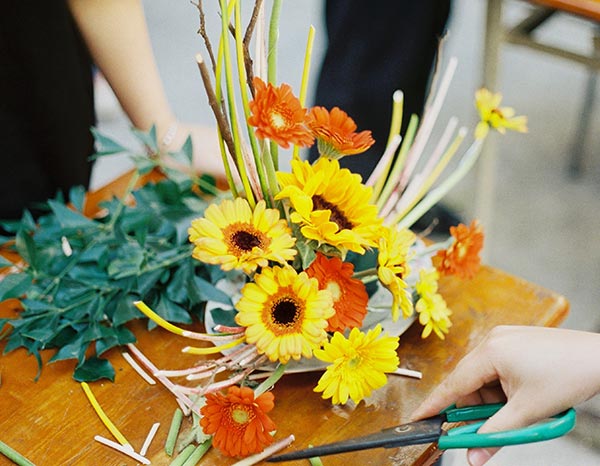
Learn how to make and decorate your home with fresh flowers. Basic techniques for flower arranging will be demonstrated. You will take home the beautiful arrangement that you make in class. Please bring floral clippers (and gloves if you prefer) to class with you.
$60 additional fee applies.
Workshop 26: The Little Things: Cultivars for Small Spaces
Dylan Shapiro, Superintendent of Horticulture, Morris County Park Commission (Bio)
While we visit large landscapes to feel immersed in and awed by the scale, most homeowners do not have the space to create drifts and masses of plants. Sometimes there is a plant we love but it is simply too large for the small corner of space we have available. Fortunately, breeders are thinking smaller lately! Learn about dwarf cultivars of popular trees, shrubs, and herbaceous plants that can be used in smaller gardens to create a large impact.
Workshop 27: Grow It, Steep It, Sip It: A Home Gardener’s Guide to Herbal Teas
Belinda Chester, Consumer Horticulture Program Associate II; Rutgers Master Gardener Program Coordinator, Rutgers Cooperative Extension of Atlantic County (Contact Info)
Explore the rich history and cultural roots of herbal teas, discover which herbs and flowers thrive in a New Jersey garden, and learn the simple science behind growing, harvesting, and brewing a truly great cup.
Workshop 28: Assessing Soil at Home for a Healthy Landscape and Environment
Sal Mangiafico, Agriculture & Natural Resources County Agent II, County Extension Dept. Head, Rutgers Cooperative Extension of Cumberland County (Contact Info)
Learn how to evaluate your garden soil using readily available websites, soil maps, and simple at-home testing techniques. This workshop will explore key soil properties, including texture, pH, and organic matter, and discuss how they influence plant health, garden productivity, and sustainable gardening practices. Participants will gain practical skills for understanding and improving their soil without expensive equipment.
Workshop 29: Native Trees and Shrubs for NJ Gardens
Steve Kristoph, Rutgers Adjunct Professor and Owner, Steven Kristoph Nursery (Bio)
Native trees and shrubs are uniquely adapted to our local climate and growing conditions, making them resilient, low-maintenance additions to the landscape. They provide essential food, shelter, and habitat for migratory songbirds, pollinators, and other wildlife while adding beauty to the garden throughout the year with seasonal flowers, fruits, and vibrant fall foliage. This workshop will explore how to select the right native plants for your landscape, proper planting techniques, and best practices for ongoing care to ensure long-term success. Whether you’re creating a new garden or enhancing an existing one, you’ll learn how native plants can support biodiversity while creating an attractive and sustainable landscape.
Workshop 30: Tree-Literate Landscape Design: How to Contribute to your Communities’ Urban Forest
Josh Kover, Rutgers Landscape Architecture Graduate Student (Contact Info & Bio)
Urban trees are the best way to combat the dangerous effects of project extreme heat. Learn how to use your property to both protect your home and your community utilizing best practices in tree design. Participants will learn about tree selection, soil amendments, and basic maintenance.
Workshop 31: Greenhouses for Homeowners and Gardeners
A.J. Both, Extension Specialist, Department of Environmental Sciences (Contact Info & Bio)
Building and using your own greenhouse can be a fun and rewarding activity. This lecture will review design options, material selection, and operating strategies that will make your project a success.
Workshop 32: Garden Design Fundamentals
Brad Gibson, Horticulturalist (Bio)
Learn the fundamentals of designing an aesthetically pleasing home garden. This workshop covers basic landscape design principles, thoughtful plant placement, color theory, and techniques for creating visual interest throughout the seasons.
Home Gardeners School Instructors
Rutgers Home Gardeners School instructors include professionals in the horticultural, ecological, and landscape design industries, faculty and staff from Rutgers Cooperative Extension and the School of Environmental and Biological Sciences, Master Gardeners, and other experts with unique experience and skill sets. Their instruction will provide you with valuable tips that come from decades of academic studies, scientific research and hands-on experience, providing you with the opportunity to learn from the best in the business.
Student Reviews
– Past Participant
– Maureen Curry
– Past Participant
Course Requirements and Policies
 Meals
Coffee and tea will be available in the morning.
Lunch is not included. An optional box meal may be purchased for $20 when you register. There will be a variety of options available on a first come, first serve basis (Ham and Cheese, Turkey, Roast Beef, Tuna, and Vegetarian). You may pick up your pre-ordered boxed lunch in the courtyard of Hickman Hall.
No lunch options will be available for purchase onsite. You are welcome to bring your own lunch.
 Pre-registration/Walk-Ins
Walk-in registration will be available for $175. No lunch options will be available for purchase onsite. You are welcome to bring your own lunch.
 Campus Parking Policy
All visitors must register their vehicles ONLINE to park on campus. If you require handicapped parking, please be sure to select that option when registering. Please follow the guidelines below to register your vehicle. Failure to comply with these policies may result in a citation.
- A link to register your vehicle will be provided to you via email a few weeks before the event date. We strongly recommend you complete this important step no later than the day before you travel to campus using a computer (not a phone). If you have trouble registering your vehicle, call our registration department for assistance between 8am and 4pm (Monday through Friday) at 848-932-9271, option 2.
- All Rutgers faculty/staff/students must use their regular Rutgers permit and park in the nearest lot assigned for their permit type.
 Email Requirement
A unique email address is required for each registrant to register and access our courses.
- If this is your first time registering with us, please provide your own unique email address when registering; do not provide an email address that you share with family members.
- If you have previously taken classes with us and have used an email address that you share with your others, your account must be updated with a unique email address. To do this, please send an email to us at registration@njaes.rutgers.edu stating that your email address needs to be changed and include:
- Your full name
- The shared email address that needs to be changed
- The new unique email address we should use for your account
- A phone number where you can be reached if we have any questions
 Cancellations and Substitutions
A $35 cancellation fee applies for this course. Substitutions are permitted. View our cancellation policy.

Program Questions? We’re Here to Help!
If you have any questions about Home Gardeners School, please don’t hesitate to reach out to us.

Program Coordinator: Olga Welsh
848-932-7315
olga.welsh@rutgers.edu
For registration assistance, please contact our Registration Department at 848-932-9271, option 2 or email registration@njaes.rutgers.edu.