Main Content
Develop the skills to determine whether a site is appropriate for a septic system or stormwater runoff BMP facility through classroom lectures and hands-on practice in soil pits.
Course Status Notice – Not Scheduled
We do not have an offering of this course scheduled at this time. Please join our email list to be notified when the next offering is scheduled!
Jump to: Overview | Instructor | CE Credits | Contact Us | Related Courses | Join Email List
Course Details
Course Name: Soils and Site Evaluation for Septic Disposal Systems and Stormwater BMPs
Course Code: ES0301CA20
Date of Most Recent Offering: September 23-25, 2019
Course Overview
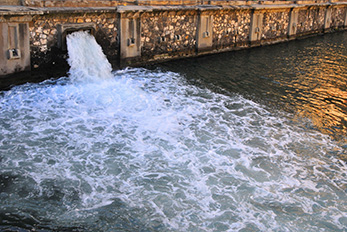
Thousands of septic systems and stormwater basins malfunction for the same reason: failure to understand how water moves (or doesn’t move!) through soil. You cannot hope to design and build these structures without a down-and-dirty understanding of these soils. That’s what this hands-on course is all about.
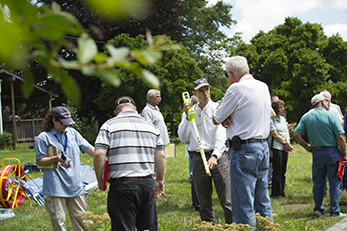
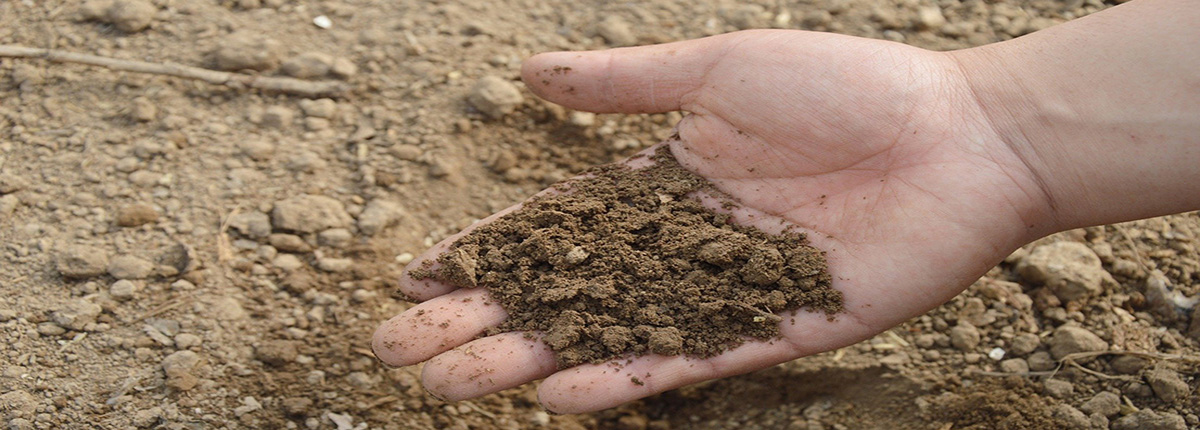
Each day, you will spend equal time moving between lectures in the classroom to soil pits in the field, evaluating soils using your eyes, hands, and nose. You will observe, record and evaluate the site-specific soil characteristics required to write and support a complete soil log, as well as evaluate the soil and landscape data to determine design input. Most importantly, you will develop the necessary tools to determine whether a site is right – legally and practically – for a septic system or stormwater runoff Best Management Practices (BMPs) facility.
Feel free to bring your own soil probing tools, and be prepared to leave with mud on your boots!
In just three days, you will learn:
- Soil fundamentals for successful septic installation and other applications, such as wetland design and soil remediation;
- Necessary soil features for estimating seasonal high water tables;
- Differences between infiltration and percolation;
- How to be more efficient (and effective!) in choosing where to test and site BMPs and septics; and
- Why basins fail – know what to look for and how to avoid failure on your next project.
Additional Featured Topics
- Determining Soil by FEEL: Soil Physical Properties, Soil Texture, and the Textural Triangle
- Soils and Geology of New Jersey
- New Jersey Regulatory Requirements for Site Evaluation
- The Inner-Workings of Stormwater Best Management Practices (BMPs)
- County Soil Survey Reports and Web Soil Survey
- Soil Physical Properties: Soil Structure, Texture, and Color
- Soil Physical Properties: Coarse Fragments and Consistence
- Permeability Testing: Where and How
- Why Soil Morphology Matters: Septic Effluent
- Soil Suitability and Safety in the Pits
- Unique Local Soil Formations
- Infiltration: What Works and What Doesn’t
- Field Determination of Mottling (Redoximorphic Features)
- Horizon Nomenclature / Restrictive Horizons
- Tips for Writing and Reviewing Soil Logs
Who Should Attend?
Health Officers/Registered Environmental Health Specialists
The health and safety of the public depends on your site evaluations. Increase your efficiency in the field while earning continuing education credits towards your HO/REHS license.
Engineers and Scientists
In today’s economy, you can’t afford to be wrong or slow. Using the Soil Survey (now online!) is only the first step in evaluating a site. Get fast in the field, too. With BMP requirements, knowing the soil limitations at the beginning can prevent costly design revisions down the road.
Meet Your Instructors
Ray Mueller, PhD, Professor, Environmental Studies, Richard Stockton College
Edwin Muniz, Asst. State Soil Scientist, USDA, Soil Conservation Service
Stephanie Murphy, PhD, Assistant Director, Plant Diagnostics and Soil Testing Labs, Rutgers University
Fred Schoenagel, Research Soil Scientist, USDA, Natural Resources Conservation Service
Student Reviews
Most useful aspect of the course: “Learning about structures of soils and how it affects infiltration rates.”
– Past Participant
Most useful aspect of the course: “Learning how to make a proper soil log.”
– Past Participant
Most useful aspect of the course: “Lots of good field work and knowledgeable speakers.”
– Past Participant
Continuing Education Credits
The most recent offering of Soils and Site Evaluation for Septic Disposal Systems and Stormwater BMPs was approved for 2.1 Rutgers CEUs (21 contact hours), as well as the following credits from professional organizations. We will reapply for similar credits the next time the course runs, but we cannot guarantee credit approval for future offerings.
 New Jersey
NJ Certified Public Works Managers (CPWM): 5 Technical, 5 Government Contact Hours
NJ Health Officers and Registered Environmental Health Specialists (HO/REHS): Rutgers University, NJAES, Office of Continuing Professional Education has been approved by the New Jersey Department of Health as a provider of NJ Public Health Continuing Education Contact Hours (CEs). Participants who complete this education program will be awarded 20.0 NJ Public Health Continuing Education Contact Hours (CEs).
NJ Licensed Site Remediation Professionals (LSRP): Pending
NJ Professional Engineers: 20.75 Continuing Professional Competency (CPC) Credits
 National
Landscape Architecture Continuing Education System (LA CES): 24 hours
 Recommended Textbook
 Pre-registration/Walk-Ins
 Location Changes
 Cancellations and Substitutions
 Campus Parking Policy
Program Questions? We’re Here to Help!
If you have any questions about Soils and Site Evaluation for Septic Disposal Systems and Stormwater BMPs, please don’t hesitate to reach out to us.

Senior Program Coordinator: Suzanne Hills
848-932-7234
suzanne.hills@rutgers.edu

Administrative Assistant: Samantha Thompson
848-932-7764
samantha.thompson9@rutgers.edu
For registration assistance, please contact our Registration Department at 848-932-9271, option 2 or email registration@njaes.rutgers.edu.